AOWO COMPOSITES
APPLICATION FIRST

Choose materials around the project.

New to composites? Start with what the part needs to do, where it will be used and the problem you want to solve. We help turn that starting point into a discussion with our factory.

Application-led selectionClear requirementsFactory coordination

What are you trying to achieve?

Choose a starting point. You do not need a finished material specification to contact us.

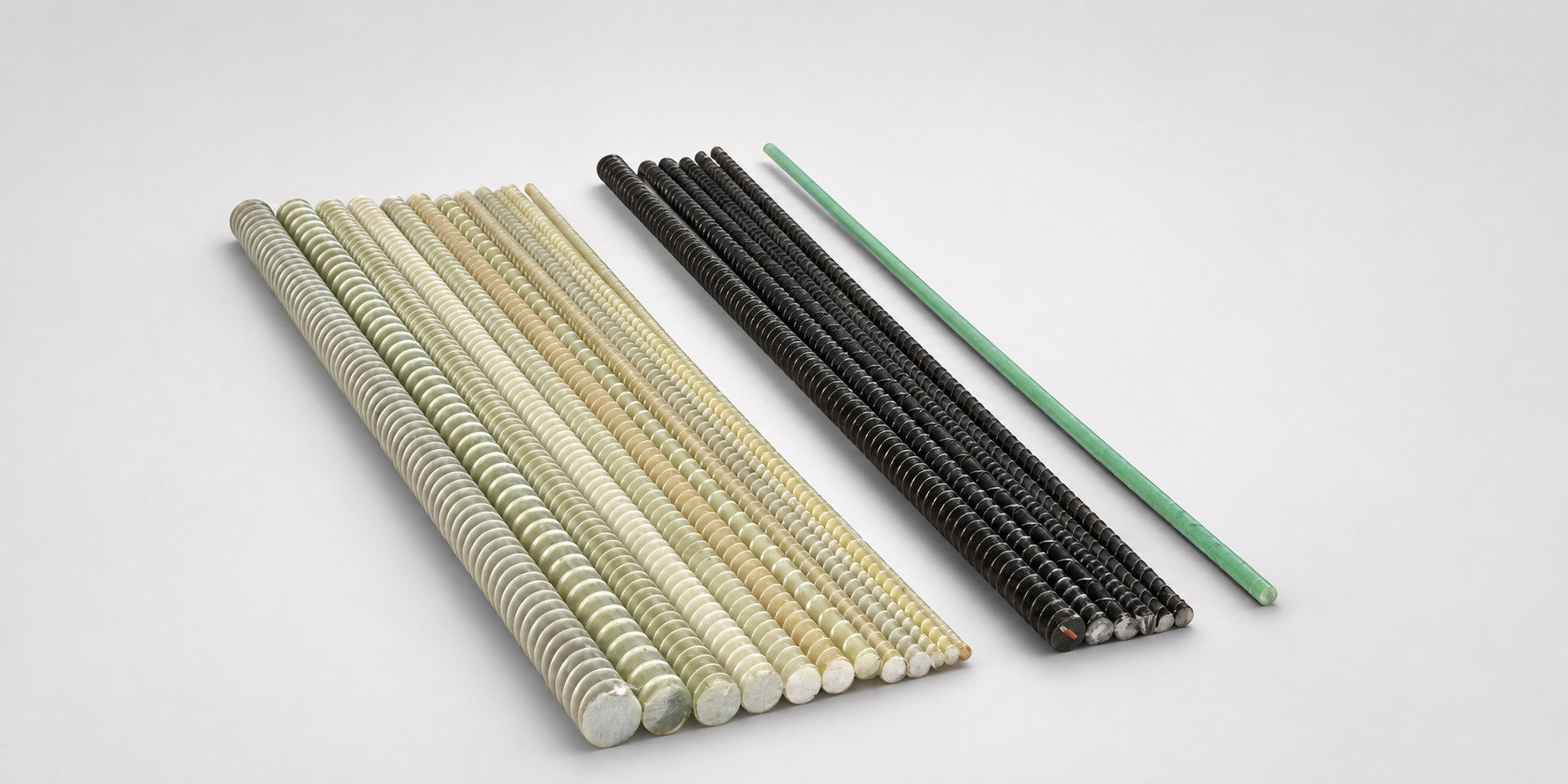
Concrete reinforcement

Concrete reinforcement

Considering an alternative to steel rebar?

Discuss GFRP or BFRP where corrosion resistance, low weight or non-magnetic behavior matters. Bar size alone does not establish equivalent structural performance.

  • Share the element, existing reinforcement drawing and exposure conditions.
  • Ask the project engineer to review strength, stiffness, crack control, bond and detailing.
Mining & tunnel support

Mining & tunnel support

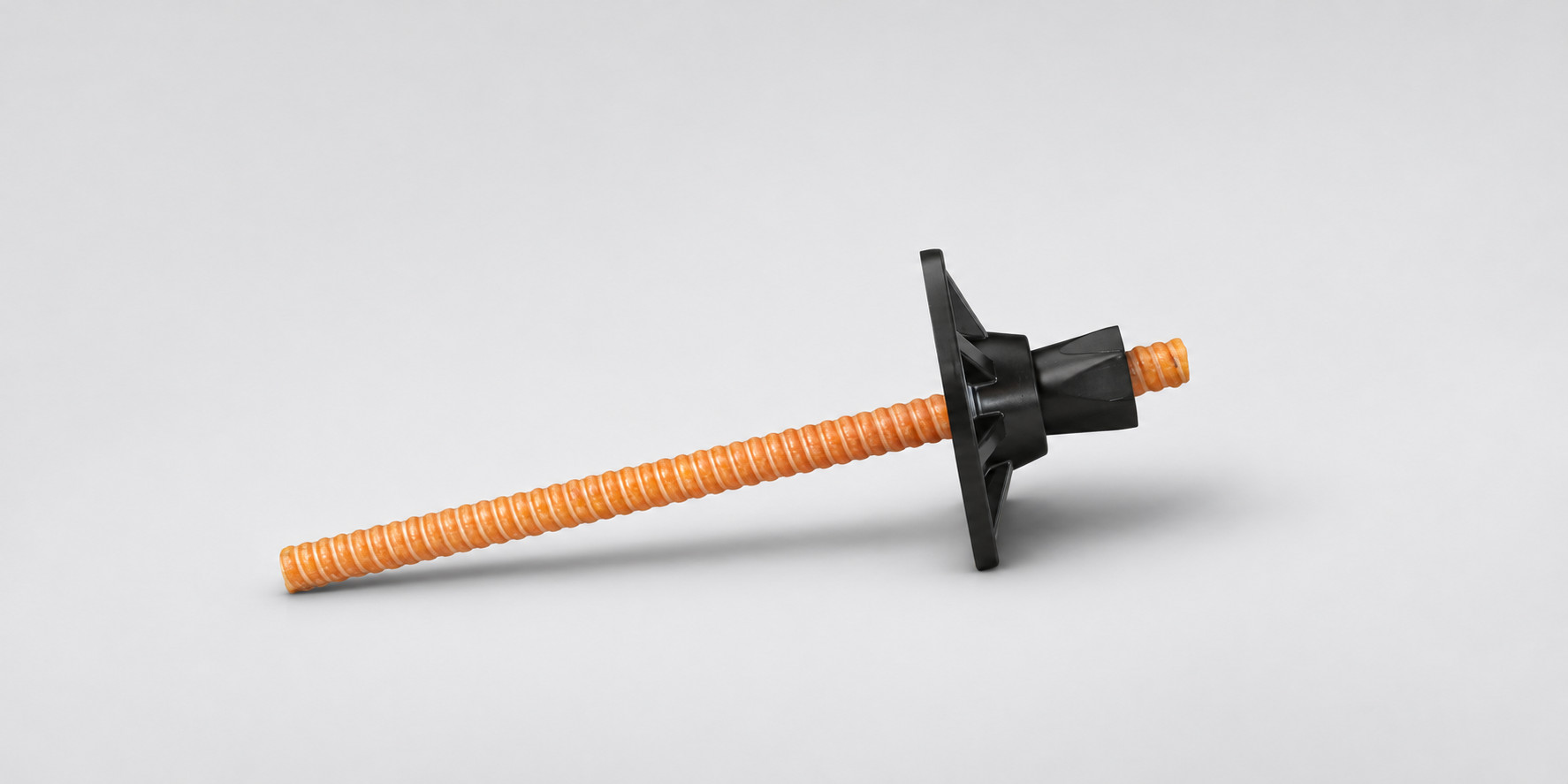
Selecting a complete anchoring system?

Review solid rods, hollow anchors or anchor cables around ground conditions and installation. The rod, nut, plate, coupler and grout need to work as an assembly.

  • Share ground conditions, design loads, length and installation method.
  • Confirm assembly compatibility and any cuttability or drilling requirements.
Corrosion-sensitive structures

Corrosion-sensitive structures

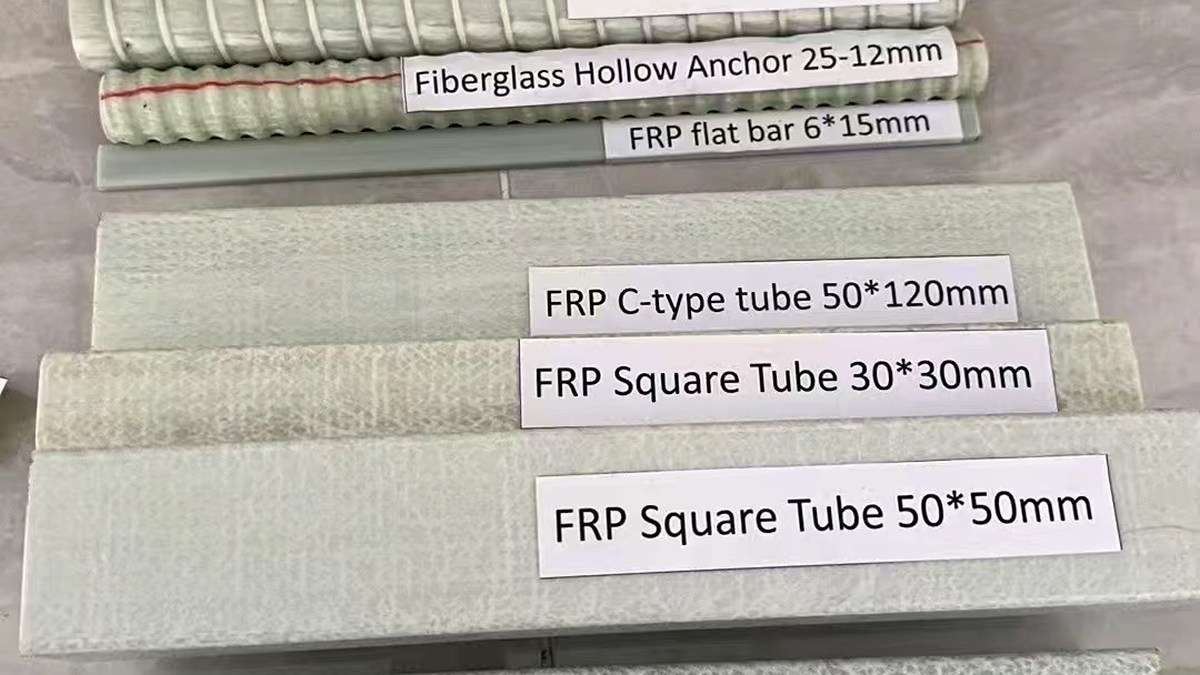
Reviewing an FRP profile instead of a steel section?

Begin with the environment, span, supports and loads. Profile geometry, fiber direction and connection details need their own review.

  • Share a sketch, span, support arrangement and load information.
  • Discuss deflection, stability, connections, exposure and fire requirements.

Custom parts & special environments

Need a component that standard products do not cover?

Start with the function: corrosion resistance, electrical insulation, non-magnetic behavior or a specific geometry. Fiber and resin choices depend on that requirement.

  • Describe the function, dimensions, operating conditions and quantity.
  • Confirm tolerances, manufacturing feasibility and evidence needed for acceptance.

Replacing steel starts with a design review.

The same diameter, section size or tensile-strength figure does not establish an equivalent replacement. FRP behavior depends on the fiber, resin, manufacturing process, load direction and complete system.

What to compareWhy it matters
Strength and stiffnessA high tensile-strength figure alone does not establish acceptable deflection, crack width or structural performance.
Failure behavior and load directionDo not apply steel yielding assumptions to fiber composites. Review tension, compression, shear and local loading as relevant.
Connections and installationCheck bond, development, anchorage, threads, plates and joints. A component value is not an assembly rating.
Exposure and service lifeReview the resin and fiber against moisture, chemicals, temperature, UV, sustained loading and any fire requirement.
Project acceptanceAgree the applicable design basis, product evidence and inspection requirements with the responsible project team.

A clearer path from question to quotation.

01

Tell us the application

A sketch, photo or short description is enough to begin. Tell us what is driving the change.

02

Review the requirement with the factory

We discuss product options, manufacturing feasibility and the information still needed. Project engineering remains with the responsible designer.

03

Agree what is being supplied

Confirm the requested configuration, supporting documents, inspection and delivery requirements before the final quotation.

Questions worth asking early.

Can I replace a steel bar or section with the same size of FRP?

Do not assume a one-to-one replacement. Concrete reinforcement, structural profiles and ground anchors each need a review of the relevant design and installation conditions.

I do not know the diameter, resin or strength yet. Can I still contact you?

Yes. Start with the application, dimensions you know, operating environment and any drawing. We can discuss the next information needed with our factory.

Will you publish a universal technical specification?

We confirm product-specific dimensions, mechanical requirements and available documentation directly against your project. Contact us for the selected grade and configuration.

What happens if composites are not a suitable fit?

The discussion should identify the mismatch before a purchase decision. A different configuration, further engineering review or keeping the existing material may be the appropriate next step.

Start with your application, even if the specification is unfinished.

Tell us what you are building and what you want to improve. We will discuss the product and manufacturing questions with our factory.

Discuss my application →

Guidance for initial material selection. Structural substitution and project acceptance require review by the responsible designer under the applicable requirements.

Further reading: ACI — FRP reinforcement design